
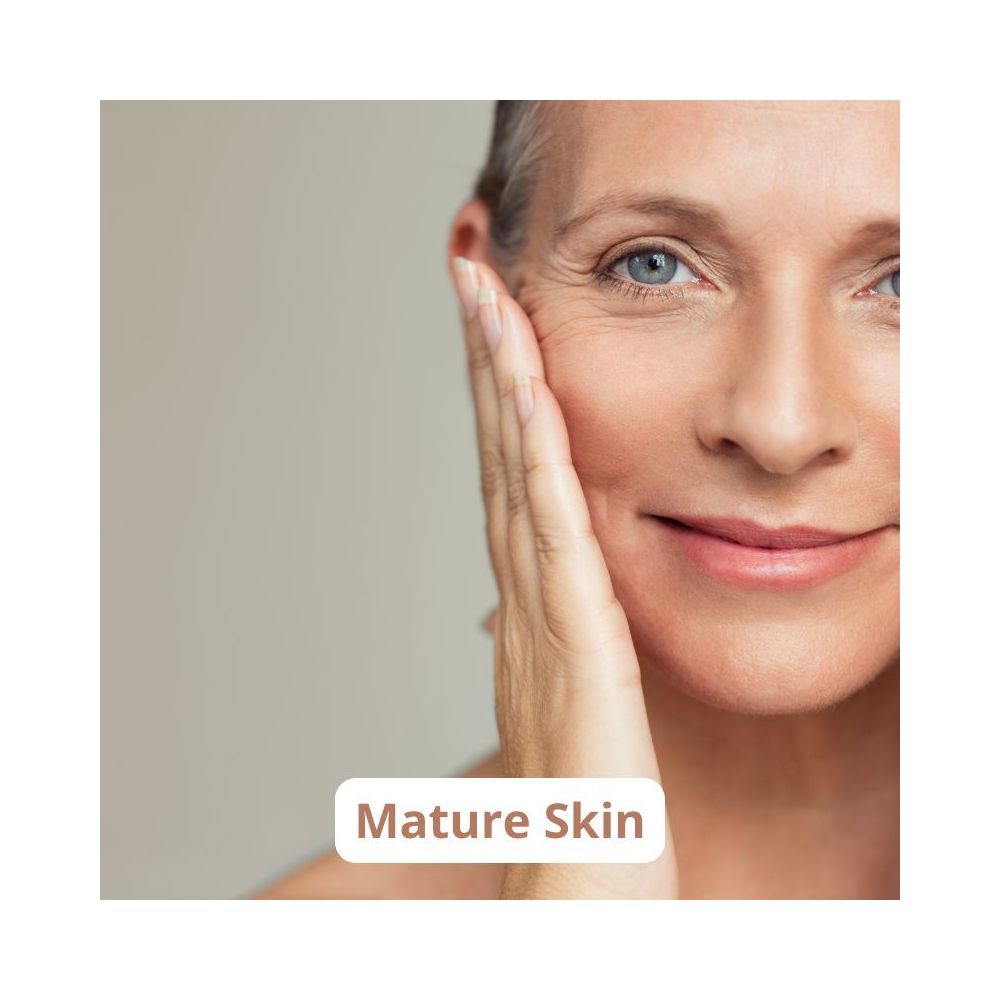
As we age, our skin undergoes changes that require specific care to maintain its health and appearance. Mature skin, typically associated with individuals aged 40 and older, tends to become drier, thinner, and less elastic, with visible signs of aging like wrinkles, fine lines, and pigmentation. Proper care is essential to nourish, protect, and restore this skin type.
In this article, we will explore how to care for mature skin effectively, the best ingredients to look for, and tips to prevent further aging signs.
Understanding Mature Skin
Mature skin results from natural aging processes and external factors such as sun exposure, pollution, and lifestyle choices. Some common characteristics of mature skin include:
- Loss of elasticity and firmness.
- Appearance of wrinkles and fine lines.
- Uneven skin tone or dark spots.
- Dehydration and dryness.
- Sensitivity to environmental aggressors.
Although aging is inevitable, the right skincare routine can significantly improve the appearance and health of mature skin.
Steps to Care for Mature Skin
A consistent and targeted skincare routine is the cornerstone of maintaining mature skin. Here’s how to take care of it:
1. Gentle Cleansing
Choose a mild, hydrating cleanser that cleanses without stripping the skin of its natural oils. Look for products with ingredients like glycerin or hyaluronic acid, which help retain moisture.
Tip: Wash your face with lukewarm water to avoid dehydration caused by hot water.
2. Hydration is Key
Hydration is crucial for mature skin as it tends to lose moisture more easily. Opt for moisturizers with ingredients like:
- Hyaluronic Acid: For intense hydration.
- Ceramides: To strengthen the skin barrier.
- Squalane: To lock in moisture.
3. Incorporate Anti-Aging Ingredients
Mature skin benefits greatly from active ingredients that target aging signs. Some must-haves include:
- Retinol (Vitamin A): Promotes cell turnover and reduces wrinkles.
- Vitamin C: An antioxidant that brightens skin and reduces pigmentation.
- Peptides: Stimulate collagen production for firmer skin.
4. Sun Protection is Essential
UV radiation accelerates skin aging, making sunscreen a non-negotiable part of your routine. Use a broad-spectrum SPF 30 or higher daily, even on cloudy days.
5. Exfoliate Regularly
Exfoliation removes dead skin cells, enhancing skin texture and allowing products to penetrate more effectively. Opt for gentle chemical exfoliants like AHAs (alpha hydroxy acids) rather than harsh scrubs.
Frequency: Once or twice a week, depending on your skin’s tolerance.
6. Focus on Eye Care
The skin around the eyes is thinner and more prone to aging. Use an eye cream with caffeine to reduce puffiness and peptides to improve elasticity.
7. Don’t Neglect Your Neck and Décolletage
Extend your skincare routine to these areas, as they show signs of aging just as much as your face.
8. Adopt a Healthy Lifestyle
Skincare is only one part of the equation. Complement it with a balanced diet, regular exercise, and adequate hydration to maintain overall skin health.
Ingredients to Look For in Mature Skin Products
When shopping for skincare, prioritize products with the following ingredients:
- Collagen Boosters: Retinol, peptides, and niacinamide.
- Hydrators: Hyaluronic acid, glycerin, and ceramides.
- Antioxidants: Vitamin C, vitamin E, and green tea extract.
- Skin Soothers: Aloe vera, chamomile, and allantoin.
Common Mistakes to Avoid
1. Skipping Sunscreen: Even minimal UV exposure can accelerate skin aging. Never skip sunscreen, regardless of the weather.
2. Overusing Active Ingredients: Too much retinol or exfoliation can cause irritation. Start slowly and increase usage gradually.
3. Neglecting Hydration: Mature skin needs more hydration than other skin types, so don’t skimp on moisturizers and serums.
4. Ignoring Professional Advice: Regular visits to a dermatologist can provide tailored solutions for your skin’s unique needs.
When to Seek Professional Help
If you notice significant changes in your skin or struggle with specific concerns like severe dryness, pigmentation, or sensitivity, consider consulting a dermatologist. Professional treatments such as chemical peels, laser therapy, or micro-needling can complement your skincare routine.
Conclusion
Caring for mature skin involves more than addressing the visible signs of aging. It’s about embracing a skincare routine that nourishes, protects, and enhances your skin’s natural beauty. By choosing the right products, following a consistent routine, and adopting a healthy lifestyle, you can enjoy radiant and healthy skin at any age.
Remember, your skin tells your story—so treat it with the care and attention it deserves!
| You may be interested: Cleansing facial skin: the role of micellar water |