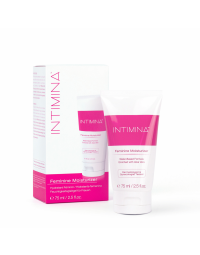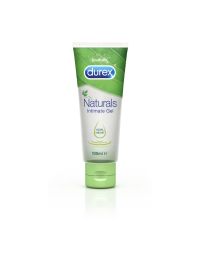


Intimate hygiene plays a fundamental role in health and well-being for both men and women. Maintaining a proper care routine helps prevent infections, discomfort, and promotes a healthier sex life. However, there are many doubts and myths about the right products, hygiene frequency, and best practices.
In this article, we will cover the best strategies for maintaining healthy intimate hygiene and how it relates to sexuality.
The Importance of Intimate Hygiene
The intimate area is sensitive and requires specific care to avoid infections and imbalances in the natural bacterial flora. When neglected, it can result in problems such as irritations, candidiasis, urinary infections, and unpleasant odours. Therefore, proper hygiene is essential for intimate and sexual health.
Essential Care for Female Intimate Hygiene
1. Choosing the Right Products
- Use intimate washes with a neutral or slightly acidic pH (between 3.8 and 4.5), as they help maintain the vaginal flora balance.
- Avoid perfumed products or those containing alcohol, as they may cause irritation.
- Prefer cotton underwear, as it allows ventilation and prevents bacterial proliferation.
2. Frequency and Correct Cleaning Method
- Wash the external genital area only (vulva), as the vagina has natural self-cleaning mechanisms.
- Avoid vaginal douching, as it can alter the vaginal flora and increase the risk of infections.
- After urinating or defecating, always wipe from front to back to prevent bacteria from the anus contaminating the vagina.
3. During Menstruation
- Change sanitary pads and tampons regularly to avoid bacterial growth.
- If using a menstrual cup, wash it properly with water and neutral soap before each reuse.
- Avoid keeping internal absorbents for more than 4-6 hours to reduce the risk of infections.
Essential Care for Male Intimate Hygiene
1. Regular Washing
- Wash the intimate area daily with water and a mild soap.
- For uncircumcised men, it is important to retract the foreskin to clean the glans properly and prevent the buildup of smegma.
- After sexual intercourse, hygiene should be reinforced to remove residues and prevent infections.
2. Choosing the Right Clothing
- Opt for cotton underwear for better ventilation and to avoid excessive moisture.
- Avoid very tight underwear, as it can increase sweating and encourage fungal growth.
3. Post-Exercise Care
- After exercising, shower and change your underwear to prevent irritation and bad odours caused by accumulated sweat.
- Use mild soaps to avoid irritating the sensitive skin of the genital area.
Intimate Hygiene and Sexual Life
Proper intimate hygiene is directly linked to a healthier and more comfortable sex life. Some essential practices include:
1. Hygiene Before and After Sexual Intercourse
- Before sex: A simple wash with water and neutral soap can help remove residues and reduce the risk of infections.
- After sex: Washing the intimate area and urinating helps to eliminate bacteria and reduce the likelihood of urinary infections.
2. Use of Condoms
- Besides preventing sexually transmitted infections (STIs), condoms also help maintain the balance of vaginal flora.
- Never reuse condoms and always change them when switching between different sexual practices (e.g., from vaginal to anal sex).
3. Avoid Excessive Use of Products
- Avoid intimate deodorants and scented wipes, as they can cause irritation and allergies.
- Excessive washing of the intimate area can remove beneficial bacteria, leaving the area more vulnerable to infections.
Myths and Truths about Intimate Hygiene and Sexuality
“The vagina needs specific products for internal cleaning” Myth! The vagina is self-cleaning and should not be washed internally. Only the vulva requires hygiene.
“Wearing tight clothing can cause infections” Truth! Heat and humidity create an environment conducive to fungal and bacterial growth.
“Semen can alter vaginal flora” Truth! Semen has a more alkaline pH, which can influence the vaginal flora balance. Maintaining good hygiene after sex helps reduce this impact.
“Taking a shower immediately after sex prevents infections” Myth! Although post-sex hygiene is important, an immediate shower is not mandatory. Urinating after sex helps eliminate potential bacteria.
Conclusion
Maintaining good intimate hygiene is essential for health, comfort, and well-being, as well as contributing to a more satisfying sex life. Adopting simple practices, such as choosing the right products, washing the intimate area properly, and wearing breathable clothing, can make a big difference in preventing health issues.
Additionally, having open communication with your partner and seeking medical advice in case of persistent discomfort or unusual symptoms is fundamental to ensuring that your intimate health is always in check.
Note: This article is for informational purposes only and does not replace consultation with a healthcare professional.
| You may be interested in: Nasal Irrigation for Adults: Saline Solution or Seawater? |