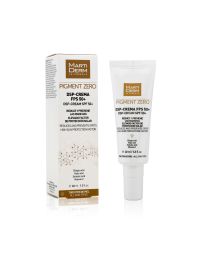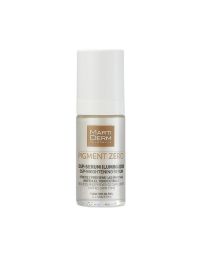


Skin pigmentation is a common topic and can manifest in various forms, such as dark spots, hyperpigmentation, or changes in skin tone. These changes can be caused by factors such as sun exposure, hormonal changes, ageing, or dermatological conditions. In this article, we explain what skin pigmentation is, its main types, causes, and the best ways to prevent and treat it.
What Is Skin Pigmentation?
Skin pigmentation refers to the natural colour of the skin, determined by melanin, a pigment produced by melanocytes. When there is an imbalance in melanin production, pigmentation changes may occur, making some areas of the skin darker or lighter than usual.
Types of Skin Pigmentation Changes
1. Hyperpigmentation – Increased melanin production, resulting in dark spots on the skin.
2. Hypopigmentation – Reduced melanin production, causing lighter patches.
3. Depigmentation – Complete loss of pigmentation in certain areas, as seen in vitiligo.
Causes of Skin Pigmentation
Uneven skin pigmentation can be caused by various factors, including environmental, genetic, and hormonal influences.
1. Sun Exposure
UV radiation stimulates melanin production, which can lead to dark spots, freckles, and melasma. Unprotected sun exposure is one of the primary causes of hyperpigmentation.
2. Hormonal Changes
- Pregnancy, oral contraceptives, and menopause can trigger hormonal spots, such as melasma.
- These changes are common due to increased levels of oestrogen and progesterone, which stimulate melanin production.
3. Ageing
As the years pass, cell regeneration slows down, leading to the appearance of age spots or solar lentigines, which are common in sun-exposed areas.
4. Inflammation and Skin Lesions
- Post-inflammatory hyperpigmentation occurs after acne, burns, or dermatological procedures such as laser treatments and chemical peels.
- The skin reacts to these aggressions by producing more melanin as a defence mechanism.
5. Dermatological Conditions
Certain conditions can affect skin pigmentation:
- Vitiligo – Loss of pigmentation due to the destruction of melanocytes.
- Melasma – Dark patches on the face, mainly in women.
- Psoriasis – May cause lighter areas of skin following inflammatory outbreaks.
How to Prevent and Treat Skin Pigmentation
Prevention is essential to avoid worsening pigmentation. However, there are also various treatment options to even out skin tone.
1. Sun Protection
Daily sun protection is crucial to prevent hyperpigmentation:
- Use sunscreen with SPF 50+, especially on the face and exposed areas.
- Reapply sunscreen every two hours, particularly on days of high sun exposure.
- Wear hats and sunglasses to protect the skin from UV rays.
2. Dermatological Products
Several active ingredients help reduce dark spots and even out the skin tone:
- Vitamin C – A powerful antioxidant that brightens the skin and protects against sun damage.
- Kojic Acid – Inhibits melanin production, helping to lighten dark spots.
- Niacinamide – Reduces inflammation and regulates melanin production.
- Glycolic Acid and Retinol – Promote cell renewal, removing hyperpigmented skin cells.
3. Dermatological Treatments
For persistent pigmentation, some procedures can help:
- Chemical Peels – Use acids to remove superficial layers of skin and lighten spots.
- Laser and Intense Pulsed Light (IPL) – Effective treatments to reduce deep hyperpigmentation.
- Microneedling – Stimulates cell regeneration and evens out skin pigmentation.
4. Daily Skincare Routine
- Avoid picking at spots or scratching the skin, as this can lead to post-inflammatory hyperpigmentation.
- Regularly moisturise to maintain a healthy skin barrier.
- Choose cosmetics specifically designed for skin prone to hyperpigmentation.
When to See a Dermatologist?
If skin spots persist, increase in size, or appear suddenly, it is advisable to consult a dermatologist for an accurate diagnosis and a personalised treatment plan.
Conclusion
Skin pigmentation can be influenced by various factors, including sun exposure, hormones, and ageing. Fortunately, there are multiple strategies to prevent and treat pigmentation, ensuring an even and healthy complexion. The daily use of sunscreen and depigmenting agents is essential for effective skincare.
Want to learn more about skincare? Visit our online pharmacy and find the best products to treat and prevent skin pigmentation!
| You may be interested in: Cleansing facial skin: the role of micellar water |