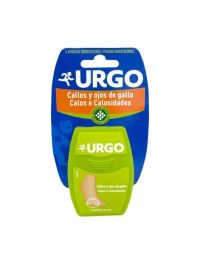


The appearance of corns and calluses affects many people. Come and find out everything you need to know about this issue, to ensure you prevent this situation and take action to solve it.
Our feet are subjected to many daily attacks: as well as supporting our weight, they are under constant strain and tension, and we often wear uncomfortable or inappropriate footwear, thus encouraging deformities and calluses.
As we don't always pay much attention to our feet, this type of pressure and aggression leads to the very area that is being attacked feeling the need to protect itself. When this happens, the damaged area - usually the sole or the area between the toes - produces a thickening of the skin on its surface.
This hard, rigid skin that appears on the affected areas of the foot is called a callus. Although the appearance of the callus is a bodily response aimed at protecting the lower layers of the skin, this phenomenon tends to cause discomfort or, in specific cases, even pain.
Come and find out more about corns and calluses, and discover how to act when faced with this situation.
Corns and calluses: why do they appear?
As we have mentioned, pressure and aggression on a certain area of the foot can lead to thickening of the skin and the appearance of corns and calluses.
Among the main causes of the appearance of these calluses is the use of inappropriate shoes, which cause pressure on certain points of the foot or the carrying out of daily activities (professional or sporting, generally) which involve constant friction and rubbing.
Although this is a common phenomenon and happens to the great majority of people, the appearance of calluses is more common in some people, including those whose professional activity requires long hours on their feet, elderly people, people with diabetes or those who suffer from poor circulation.
How should calluses be treated?
Nowadays, with advances in podiatry, there are many ways to treat calluses and corns on the feet.
Among the best methods to help you get rid of unwanted calluses are intensive moisturising creams, which will help soften and care for the skin in callused areas. You can also use specific pads for this purpose, which, besides relieving the area and protecting it, help to reduce and eventually eliminate the callus, or resort to sandpapers and stones (such as pumice) that will work like sandpaper and help you, in a natural way, to reduce and even eliminate the callus. The use of silicone wedges can also provide a sense of relief by reducing the pressure on the callused areas of the foot.
Other tips and when to consult a specialist
A podiatrist is the best person to recommend the best way to relieve the pain caused by calluses and how to eliminate them.
Along with a visit to the doctor, remember that it is equally important, to treat your foot problem, that you wear appropriate and comfortable footwear, with insoles suitable to the shape of your foot and the effort required by your day to day life. These measures can help in the treatment of the callus and prevent them from reappearing after treatment.
The best way to prevent and treat this problem is to pay more attention to your feet, remembering to keep them hydrated and comfortable. A greater concern with skin hydration, allied to a reduction of friction points and shoe pressure will be the best allies in maintaining the health of your feet.
Did you already know how you can prevent and treat corns and calluses on your feet? Tell us how this problem affects you and what measures and treatments you apply on a daily basis to reduce the damage caused by calluses on your feet.
| It could be interesting: Excessive underarm sweating: how to minimise the problem |