

Resuming sexual intimacy after childbirth is a unique experience influenced by physical and emotional changes. Many couples may face challenges during this period, ranging from discomfort to hormonal imbalances that affect desire. This article discusses key considerations, physical transformations, and products available in pharmacies to support couples during this phase.
Understanding the Postpartum Body
Postpartum recovery involves significant hormonal and physical adjustments. Levels of oestrogen and progesterone drop sharply after delivery, often leading to vaginal dryness and reduced libido. Women who had vaginal births may also experience perineal discomfort, especially if tears or episiotomies occurred. These factors, combined with sleep deprivation and emotional adjustments, can make the return to sexual activity daunting.
Taking Time to Heal
Healthcare professionals typically recommend waiting 4-6 weeks before resuming sexual activity to allow physical recovery. However, emotional readiness is equally important. Open communication with your partner about expectations, anxieties, and feelings can help create a comfortable and understanding environment.
Addressing Vaginal Dryness and Discomfort
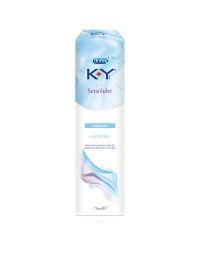
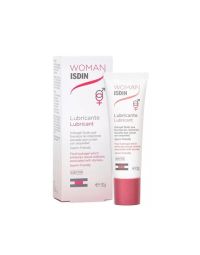
Vaginal dryness is one of the most common postpartum issues. Using suitable lubricants can enhance comfort and intimacy:
- Water-Based Lubricants: These are gentle, safe, and compatible with condoms. For instance, Durex Natural offers a hypoallergenic formula that provides hydration without irritating sensitive skin.
- Silicone-Based Lubricants: Known for their long-lasting effects, these are ideal for extended intimacy but should not be used with silicone toys.
- Vaginal Moisturisers: Products like Vagisan can help maintain daily hydration, reducing dryness and promoting overall comfort.
Rebuilding Pelvic Health
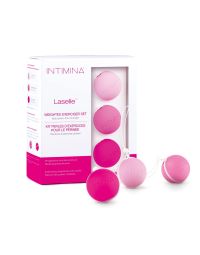
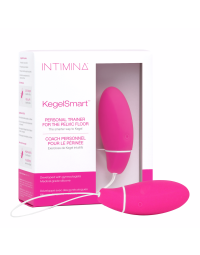
Strengthening the pelvic floor through Kegel exercises is crucial postpartum. These exercises improve muscle tone, enhancing sexual satisfaction and reducing the risk of incontinence. Devices such as Kegel balls can provide additional support during recovery, offering a gradual approach to muscle strengthening.
Managing Fear of Pain and Setting Realistic Expectations
It's natural to feel apprehensive about discomfort. Slow and gentle approaches to intimacy can help ease tension. Exploring new methods of connection and prioritising relaxation during initial experiences can build confidence over time. If pain persists, consulting a healthcare professional specialising in pelvic health is essential.
Additional Products for Postpartum Care
Apart from lubricants, the following products can enhance well-being:
1. Soothing Gels: Aloe vera or chamomile-based products can calm irritation after intimacy.
2. Intimate Wipes: Fragrance-free wipes are gentle options to maintain hygiene without causing irritation.
3. Massage Oils: Natural oils like almond or jojoba can be used for relaxation and bonding with your partner.
Tips for a Positive Experience
- Communicate Openly: Sharing feelings and concerns fosters mutual understanding and intimacy.
- Prioritise Comfort: Choose comfortable positions that minimise pressure on sensitive areas.
- Focus on Nutrition: A balanced diet rich in omega-3 fatty acids supports overall recovery and well-being.
- Seek Professional Advice: Persistent discomfort or emotional concerns should be addressed with healthcare providers.
Conclusion
Postpartum intimacy is a journey of rediscovery. With the right products, open communication, and patience, couples can navigate this transition and strengthen their bond. Prioritising care and respecting the body's pace is key to fostering a fulfilling and enjoyable experience.
| It might also be interesting to read: How to avoid stretch marks in pregnancy |