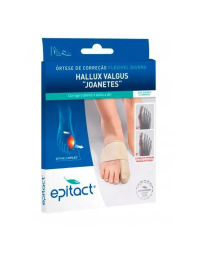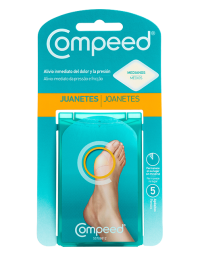


Bunions, also known as hallux valgus, are a common condition affecting many people, causing discomfort, pain, and, in more severe cases, difficulties walking. While they might appear to be merely an aesthetic issue, bunions can significantly impact quality of life if left untreated. This article delves into everything you need to know about bunions, including their causes, treatment options, and prevention tips.
What Are Bunions?
A bunion is a bony bump that forms at the base of the big toe, where the toe meets the foot. It develops when the big toe is pushed toward the other toes, causing a misalignment of the bones and resulting in the protrusion.
Bunions can range from mild to severe, and common symptoms include:
- Pain or tenderness in the affected area.
- Redness or swelling around the joint.
- Difficulty wearing shoes due to pressure on the bunion.
- Visible deformity in the foot.
What Causes Bunions?
Several factors can contribute to the development of bunions, including:
1. Genetic Predisposition
If bunions run in your family, you are more likely to develop them.
2. Improper Footwear
Tight shoes, pointed-toe footwear, or high heels can compress the toes and worsen misalignment, increasing the risk of bunions.
3. Foot Structure Abnormalities
Flat feet, high arches, or other structural issues can contribute to bunion formation.
4. Medical Conditions
Conditions like rheumatoid arthritis or other inflammatory joint diseases can increase the likelihood of bunions.
5. Injuries or Trauma
Fractures or injuries to the feet can alter bone alignment, leading to bunion development.
How Are Bunions Treated?
Treatment for bunions depends on the severity of the condition. Below are the primary options:
1. Conservative Treatments
For mild to moderate cases, non-invasive measures include:
- Proper Footwear: Opt for wide, comfortable shoes with soft soles that do not press against the bunion.
- Orthotic Inserts: Custom insoles can help redistribute body weight and reduce pressure on the affected joint.
- Ice Application: Reduces pain and swelling, especially after extended periods of activity.
- Medications: Over-the-counter pain relievers or anti-inflammatory drugs, like ibuprofen, can alleviate discomfort.
- Physical Therapy: Specific exercises strengthen foot muscles and improve alignment.
2. Surgery
In more severe cases, where discomfort is significant and conservative treatments prove ineffective, surgery may be necessary. Surgical options include:
- Bone Realignment: Correcting the misalignment of the big toe.
- Bunion Removal: Reducing the size of the bony bump.
- Joint Fusion: Stabilizing the joint of the big toe.
Surgery should only be performed following a thorough evaluation and on a specialist’s recommendation.
How to Prevent Bunions?
While it’s not always possible to prevent bunions, especially if you have a genetic predisposition, certain measures can reduce the risk:
1. Wear Proper Footwear
Choose shoes that provide enough space for your toes and avoid frequently wearing high heels or pointed-toe shoes.
2. Strengthen Your Feet
Simple exercises, like toe stretches and walking barefoot on flat surfaces, can strengthen foot muscles and enhance stability.
3. Maintain a Healthy Weight
Excess weight increases pressure on your feet, contributing to bunions and other foot issues.
4. Take Breaks
If you spend long periods standing or walking, take regular breaks to relieve pressure on your feet.
5. Limit High Heel Use
High heels put extra pressure on the front of your foot, worsening toe misalignment.
Do Bunions Affect Quality of Life?
While they may seem like a minor aesthetic concern, bunions can affect your quality of life by limiting mobility and causing persistent pain. Ignoring the symptoms can lead to complications such as:
- Development of calluses and blisters.
- Stiffness or arthritis in the big toe joint.
- Altered gait or posture as you try to alleviate discomfort.
It is essential to address bunions as soon as you notice early signs and take preventive measures to avoid their progression.
Conclusion
Bunions are a common condition that can be managed with the right care. From selecting proper footwear to considering conservative or surgical treatments, there are various ways to alleviate symptoms and improve your quality of life.
If you’re dealing with bunions or looking to prevent them, invest in comfortable footwear and consult a specialist for the best treatment options.
Take care of your feet! Explore our range of products for foot comfort and health in our online store.
| You may be interested in: Corns and calluses on the feet: all you need to know |